Is a nature journal the best journal: choosing a notebook for nature notes
Learn when a nature journal beats a diary or sketchbook, and how to pick paper, binding, size and cover for outdoor notes worth keeping.
Contents
- What makes a nature journal different
- Field notebook, diary or sketchbook compared
- Choosing paper for writing and sketching outdoors
- How notebook binding affects outdoor use
- Size, cover and weather resistance for field use
- Setting up pages for long-term observation records
- Bringing a nature notebook on park days
- Questions about choosing a nature journal
- Is a nature journal better than a regular journal?
- Can I use a sketchbook as a nature journal?
- What kind of paper is good for nature journaling?
- Should a nature journal be lined or blank?
- Do I need a waterproof notebook for nature journaling?
A nature journal is the right journal when you want to record plants, animals and weather over time. No single journal suits every purpose, and a diary or planner fits reflection and scheduling more naturally. Choosing a nature notebook then comes down to how you record outdoors: writing, sketching or both.
- Pick a nature journal when your goal is recording outdoor observations over time.
- Match the notebook to your method: a field notebook for writing, a sketchbook for drawing.
- Heavier, acid-free paper handles wet media and resists yellowing.
- Sewn or spiral bindings open flat, which helps when writing outdoors.
- Repeat the same date, place and weather fields on every page.
What makes a nature journal different
A nature journal is a notebook for recording observations of the living world as they happen. Entries center on what you saw, heard and noticed, rather than on your feelings or schedule. Each page ties an observation to a date, a place and the weather at that moment. Over months, those details turn scattered walks into a record you can compare season by season.
A personal diary works well for reflection, but a nature journal works better for evidence. Diary entries look inward, while nature entries look outward at birds, leaves, insects and sky. Some journal keepers blend both, adding a line about mood beside a sketch of a seedhead. Mixing is fine, as long as the observation details stay easy to find later.
Whether a nature journal is the right choice depends on what you want to keep. If you want to track bloom times, bird arrivals or pond changes, a nature journal fits that goal. If you mainly want to plan days or sort out thoughts, a general diary may serve you better. No journal type is ideal for everyone, so match the notebook to the purpose.
Field notebook, diary or sketchbook compared
A field notebook, a diary and a sketchbook each handle nature notes in a different way. Field notebooks favor quick written records, often with lined or grid pages and a sturdy cover. Diaries tend to have dated pages, which suit daily entries but crowd out drawings. Sketchbooks offer blank, heavier paper that welcomes drawing and paint but leaves layout to you.
Writers who note species lists, tallies and weather in short lines often prefer a field notebook. Grid pages help with small maps, tallies and tidy tables of repeated observations. Pocket sizes slide into a jacket, which matters when you stand still watching birds. The tradeoff is thinner paper that may buckle under wet media such as watercolor.
Sketchers who record through drawing get more from a sketchbook with blank, sturdy pages. Mixed-media paper, meaning paper made to take both dry and light wet media, suits pencil and watercolor. A dated diary makes sense only if you plan to write every day, whatever you observe. Blank or dot-grid pages leave room for days with a long entry and days with nothing.
| Notebook type | Page style | Suits | Limits |
|---|---|---|---|
| Field notebook | Lined or grid, often thinner paper | Quick notes, lists, tallies | Little room for wet media |
| Diary | Dated pages | Daily written entries | Fixed space per day, few drawings |
| Sketchbook | Blank, heavier paper | Drawing, painting, mixed notes | No built-in structure for records |
| Dot-grid journal | Light dot pattern | Writing and simple sketches together | Paper weight varies by maker |
Choosing paper for writing and sketching outdoors
Paper choice decides whether your nature notebook handles the tools you actually carry. Smooth paper suits fine pens and crisp pencil lines for detailed leaf or feather drawings. Textured paper, described as having tooth, has a slightly rough surface that grips graphite and pigment. Test your usual pen on a page before committing a whole season to one notebook.
Paper weight affects how much moisture and pressure a page can take before it warps. Heavier paper resists buckling from watercolor washes, a damp hand or a misty morning. Lighter paper keeps the notebook thinner and holds more pages, which suits writing-heavy journals. Ink bleed-through, where ink shows on the back of a page, is worth checking with markers.
Paper color and acid content matter for records you want to reread years from now. Acid-free paper is made to resist yellowing and brittleness better than standard paper. Off-white or cream pages reduce glare in bright sun, while white pages show colors truthfully. Pick the shade that lets you read and draw comfortably in the light you face.
How notebook binding affects outdoor use
Notebook binding controls how the pages open, fold and survive repeated trips outside. Sewn bindings, where page sections are stitched together, open flat and hold pages firmly. Glued bindings can be lighter, though pages may loosen if the spine bends too far. Spiral or wire bindings fold back completely, which helps when you write standing up.
A flat-opening notebook makes sketching across two facing pages much easier. Wide landscape drawings of a meadow or shoreline often need that double spread. Spiral bindings break the spread with coils, so drawings across the gap look split. Lay-flat sewn books avoid that gap but cannot fold back on themselves.
Long-term records also depend on whether the binding lets you add or replace pages. Ring binders and disc-bound notebooks let you move pages, file seasons and insert printouts. Loose pages can scatter, so a sturdy clip or folder helps on windy days. Bound books keep everything in order, which some keepers value for an honest timeline.
Size, cover and weather resistance for field use
Notebook size shapes how often you actually carry your nature journal outdoors. Pocket notebooks travel everywhere, which makes spontaneous notes on a short walk more likely. Larger formats give space for detailed drawings but tend to stay in a bag. Some keepers use a small field book outdoors and copy notes into a larger journal later.
A hard cover gives you a built-in writing surface when no table or bench is near. Soft covers flex and weigh less, but they need a clipboard or a firm knee. An elastic band keeps pages closed in a bag and stops wind flipping them. A back pocket holds pressed leaves, small notes or a pencil sharpener.
Weatherproof notebooks use coated or synthetic paper that sheds rain and accepts pencil when damp. Pencil and some ballpoint inks write on these pages where many gel pens smear. Synthetic paper takes watercolor poorly, so weatherproof books suit written records more than painting. A zip bag offers simple rain protection for any notebook that is not weatherproof.
Setting up pages for long-term observation records
Consistent page setup turns a nature journal into a record you can compare across years. Repeating the same fields on each entry makes it quick to scan for patterns. A date, time, place description and weather line belong at the top of every page. Below that, leave room for observations, sketches and questions you want to follow up.
Place descriptions work better than vague names when you revisit a spot later. Note landmarks such as a fallen oak, a footbridge or the north side of a pond. A small sketch map at the start of the notebook helps you find sites again. Keeping sensitive locations vague protects nesting birds and rare plants from disturbance.
An index page at the front makes a full notebook easy to search. Number each page and list key sightings with their page numbers as you go. Label the spine or cover with the start and end dates once the book is full. Store finished journals somewhere dry and away from direct sun to protect paper and ink.
- Date and time of the observation
- Place description with a landmark
- Weather, wind and how warm it feels
- Species or features observed
- Sketch or quick diagram
- Questions to check later
- Page number for the index
Bringing a nature notebook on park days
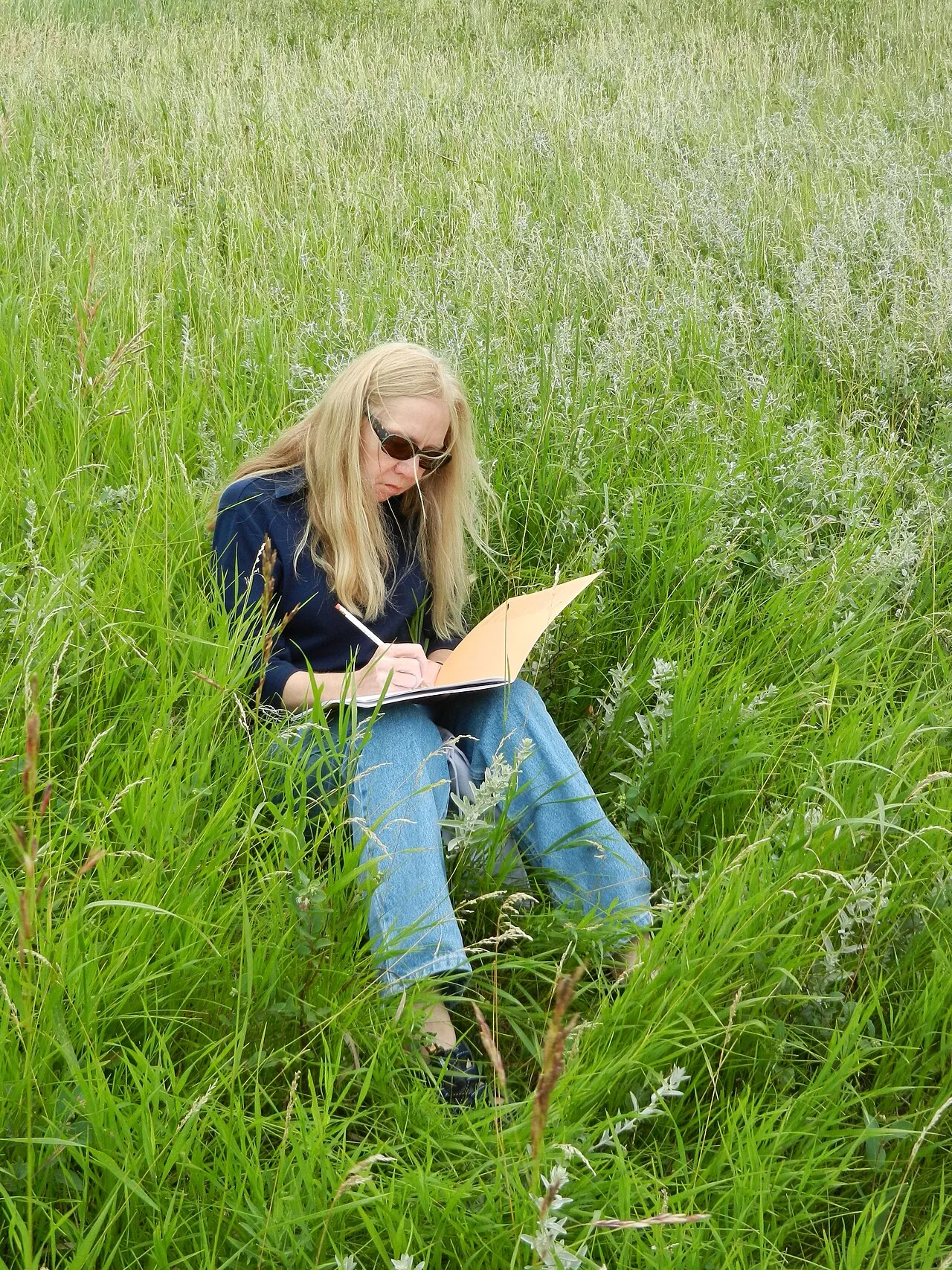
A park outing or picnic gives you easy, repeatable chances to fill a nature journal. Returning to the same park through the year shows seasonal change in one familiar place. A picnic blanket or table offers a stable surface for slower drawing after lunch. Short entries made during a walk count just as much as long ones.
Shared nature journaling can become a calm activity for families and friends at the park. Each person can record the same tree or pond and compare pages afterward. Children may prefer a blank sketchbook, while adults sometimes reach for lined field notes. Swapping observations sparks questions that are worth checking in a field guide at home.
A small kit keeps nature journaling simple enough to pack alongside picnic supplies. Pack the notebook, two pencils, a sharpener, an eraser and a zip bag. A travel watercolor set and a water brush add color without much weight. Keep food and drinks away from open pages, since grease and spills can stain paper.
Questions about choosing a nature journal
Is a nature journal better than a regular journal?
No, a nature journal is not better in general, only better suited to recording outdoor observations. A regular journal fits reflection and planning more naturally. Choose a nature journal if you want dated records of plants, animals, weather and seasons.
Can I use a sketchbook as a nature journal?
Yes, a sketchbook works well as a nature journal, especially if you record through drawing. Its blank, heavier pages handle pencil and light watercolor. Add your own date, place and weather lines to keep the records consistent.
What kind of paper is good for nature journaling?
Mixed-media paper suits nature journaling if you write and sketch in the same book. Smooth paper favors fine pens, while heavier textured paper handles watercolor washes. Acid-free paper is a sensible pick for records you plan to keep.
Should a nature journal be lined or blank?
Neither lined nor blank pages are right for everyone, since the choice depends on how you record. Lined pages suit written notes and species lists. Blank or dot-grid pages leave room for sketches, maps and mixed entries.
Do I need a waterproof notebook for nature journaling?
No, a waterproof notebook is only needed if you often write in rain, mist or wet grass. Coated or synthetic pages accept pencil when damp but take paint poorly. A regular notebook kept in a zip bag handles light showers on many outings.